
Strata & Body Corporate Cleaning in Melbourne
Lobbies, lifts, amenity spaces and bin rooms — what owners corporations should specify in a cleaning contract.
On this page
For Melbourne owners corporations, cleaning is one of the most visible line items residents notice — and one of the first they complain about when it slips. Lobbies, lifts, mail areas, gyms, and bin rooms set the tone for the building every single day.
This guide outlines what strata managers and committees should specify in a cleaning contract so presentation stays consistent across towers in Southbank, Docklands, and suburban complexes alike.
01First impressions: lobby, glass and mail
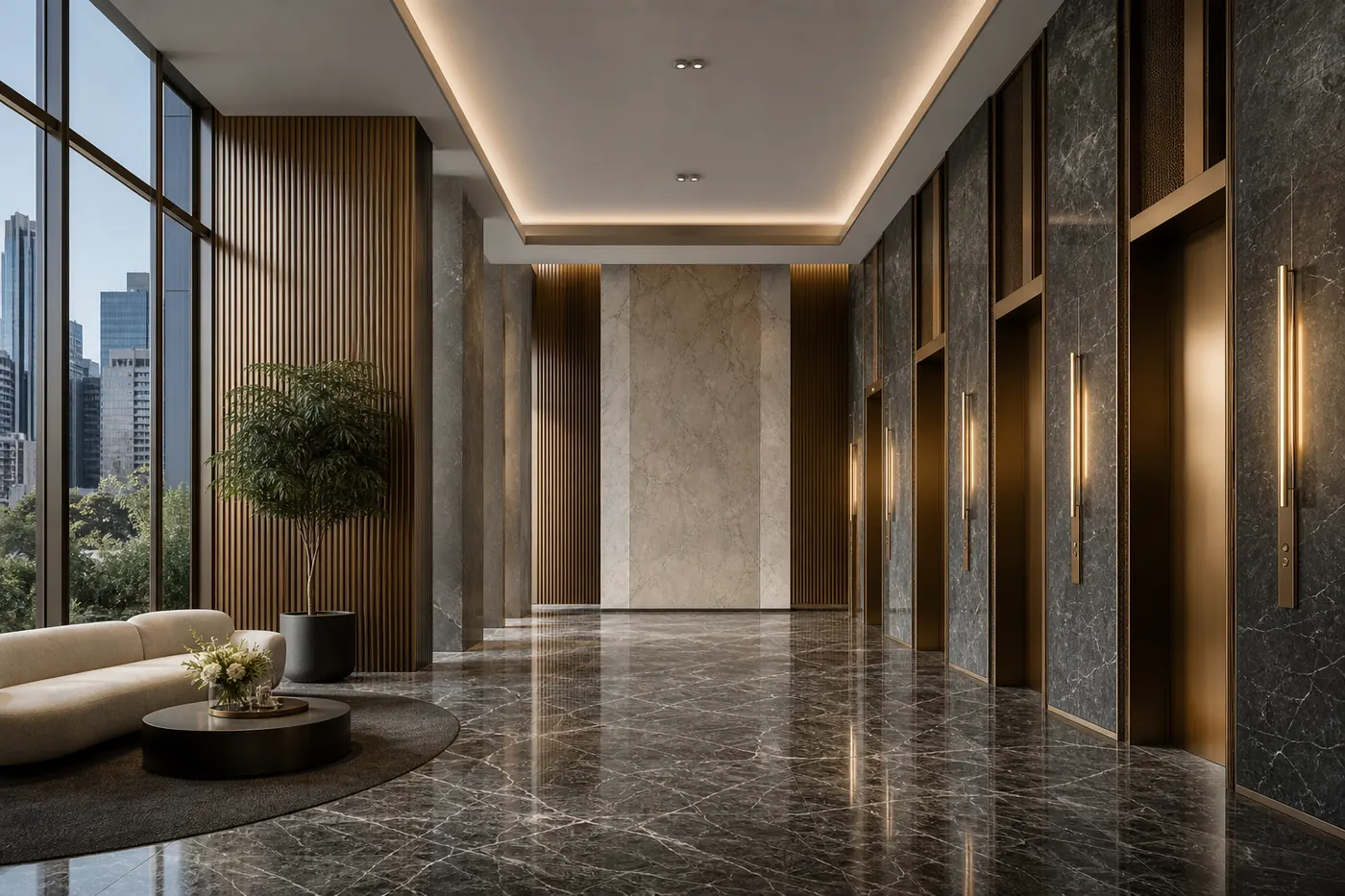
The ground-floor lobby is the brand of the building. Streaky glass, dusty directories, and overflowing mail benches create an unmanaged feel even when apartments upstairs are immaculate. Specify glass frequency, floor care by finish type, and presentation standards for concierge or entry desks where present.
Weather events matter in Melbourne: wet winters drag grit across stone and tile; windy days film glass. Contracts that ignore seasonal load produce summer standards that fail in July.
Visitor parking entries and bike rooms are increasingly scrutinised in inner-city buildings. Include them explicitly if they are common property under the OC.
“Residents may never read the cleaning contract — but they walk through the lobby results every morning.”
— Nexus strata services
02High-touch zones and amenity spaces
Lift buttons, handrails, gym equipment touchpoints, pool deck furniture, and shared bathroom amenities need consistent sanitisation schedules. A monthly “deep clean” cannot compensate for neglected daily high-touch wiping in a busy tower.
Amenity spaces — residents’ lounges, BBQs, co-working nooks — collect events mess. Define post-event expectations versus routine cleans so managers are not mediating every booking.
Colour-coded or clearly separated cloths and tools for amenities versus bin rooms reduce cross-contamination complaints that committees take seriously.
03Bin rooms, chutes and back-of-house reality
Bin rooms fail on odour, spills and poorly washed floors. Specify wash frequency, drain awareness, and what happens when residents leave bulk rubbish that is not cleaning scope. Clear boundaries prevent cleaners being blamed for dumping issues.
Chute rooms and hard waste areas need safe chemical use and slip control. WHS documentation should be available to the building manager on request.
Parking levels collect tyre dust and leaf litter at entries. Decide whether parking is in scope weekly, fortnightly, or as a periodic pressure-wash add-on.
04Reporting for strata managers and OCs
Managers need issue closure: graffiti noted, light out reported, leak flagged — not silent ignoring. Nexus works with strata managers using clear communication and certificates for OC records where required.
Photo notes for incidents (vandalism, extreme mess after parties) help committees understand cost drivers when extraordinary cleans are needed.
Quarterly reviews with the manager keep frequency honest as occupancy changes — a newly occupied tower in Footscray or a student-heavy Carlton building will not match a quiet boutique block.
05How to set frequency without guessing
Traffic and amenity load should drive days per week, not a generic template. High-rise CBD and Southbank buildings often need daily lobby and lift focus; smaller suburban complexes may succeed on fewer visits with smart task rotation.
A building walkthrough with Nexus produces a recommended roster: daily, multi-weekly, or hybrid with periodic deep cleans of glass and hard floors.
When budgets tighten, cut low-visibility tasks last. Protecting lobby presentation preserves resident satisfaction better than trimming the front-of-house to save a short shift.
06What committees should put in writing
Spell out common-property boundaries, amenity inclusions, glass frequency, bin-room wash cadence, and how extraordinary cleans are approved. Ambiguous contracts create arguments at every AGM when invoices for party clean-ups appear.
Define response expectations for urgent issues — vomit in a lift, graffiti in a lobby, flooding in a bin room — including after-hours contacts where the building needs them.
Require certificates of currency and WHS documentation up front. Owners corporations carry duty-of-care expectations; cleaning contractors should make compliance easy to evidence.
For mixed-use buildings, separate residential common property from any commercial tenancy obligations so neither side subsidises the other’s mess. Clear maps and room lists attached to the contract prevent “is the arcade toilet ours?” debates mid-year. Seasonal leaf litter, balcony furniture resets and end-of-year party spikes should also be flagged as known load events rather than surprises.
07Book a building walkthrough
Call 1300 318 370 or request a quote. We will walk common property, recommend frequency, and propose a strata cleaning scope committees can approve with confidence.
Bring recent complaint themes from residents. Solving those explicitly in the scope is how contracts last beyond the first AGM cycle. If lobby glass, lift odours or bin rooms dominate the complaint log, those three should appear as named KPIs — not buried in a generic “common areas” line.
FAQFrequently asked questions
Do you work directly with strata managers?
Yes. We align reporting, access and invoicing with manager workflows and keep certificates available for OC files.
Can you handle after-hours cleans in residential towers?
Yes. Many buildings prefer early morning or evening common-area cleans to reduce resident disruption. We follow building access rules.
Are gyms and pools included?
They can be. Amenity inclusions should be listed separately so chemical choice and frequency match the space.
What about one-off cleans after events or floods?
We provide extraordinary cleans quoted separately from the routine contract so committees retain cost control.
How do you handle resident complaints?
Managers get a clear escalation path. We investigate named areas, close the issue, and adjust the roster if a pattern shows under-servicing rather than a one-off mess. Photo notes help committees see whether the issue is cleaning quality or resident behaviour that needs a building rule reminder.
Need this handled on-site?
Talk to Nexus about strata & body corporate cleaning across metro Melbourne — fixed scopes, insured crews, accountable supervisors.